
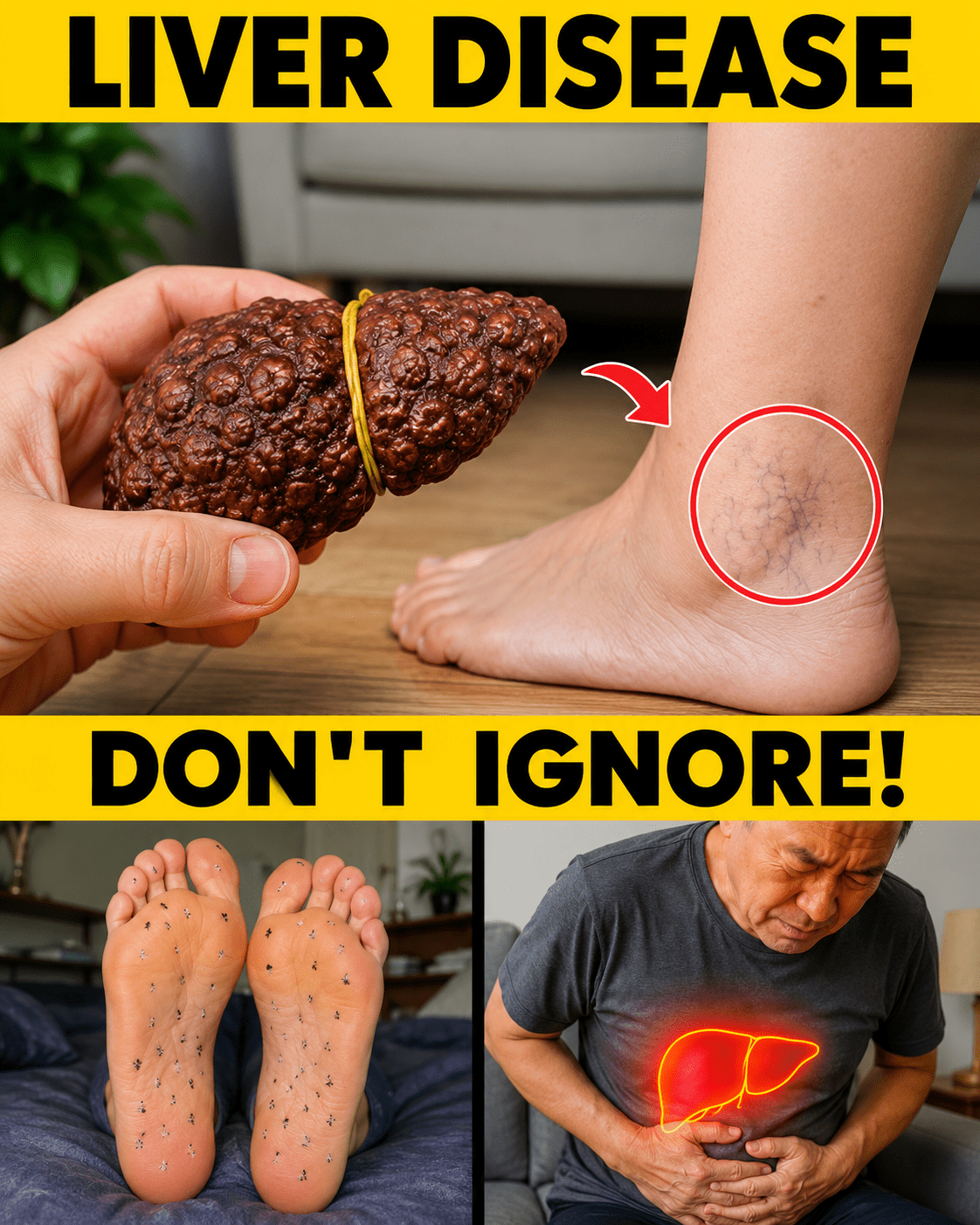
You might spot small, web-like clusters of red or purple lines on your ankles, feet, or lower legs. These are often called spider angiomas or spider veins when they appear in the lower body.
These marks result from tiny blood vessels becoming more visible. While they can appear for various reasons, multiple instances in unusual locations have been associated in medical literature with changes in hormone processing and circulation that the liver helps manage.
Other Noticeable Changes
- Itchiness or Dryness: Persistent itching, especially on the soles, can feel frustrating and may relate to how the body handles certain compounds.
- Color Changes: Some notice yellowish tones or other shifts in skin color on the feet, though this requires professional evaluation.
- General Discomfort: Tingling, unusual fatigue in the legs, or cracked heels that don’t improve with regular moisturizing.
Here’s a quick comparison to help you reflect:
| Foot Observation | Possible Everyday Causes | When to Pay Extra Attention |
|---|---|---|
| Mild swelling | Standing too long, salty foods | Persistent or one-sided, with other symptoms |
| Spider-like marks | Sun exposure, genetics | Multiple new ones appearing suddenly |
| Itchy soles | Dry skin, new shoes | Intense and worse at night |
| Yellowish tint | Diet or skin products | Combined with fatigue or other changes |
Why These Connections Matter
The liver processes hormones like estrogen and helps maintain blood vessel health. When its workload increases or efficiency changes, small vessel dilation and fluid shifts can become more apparent in areas farthest from the heart, like your feet.
But here’s the encouraging part: many of these observations improve when you support your body with consistent daily habits. That’s where actionable steps come in.

Practical Steps to Support Your Liver and Foot Health
You don’t need drastic changes to start feeling better. Focus on these evidence-informed habits that many health experts recommend:
- Stay Hydrated – Aim for plenty of water throughout the day. Proper hydration helps your liver flush toxins more efficiently and reduces fluid retention.
- Move Regularly – Simple walking or ankle circles for 10-15 minutes daily promotes better circulation and helps prevent pooling in the lower legs.
- Watch Your Salt Intake – Reducing processed foods can make a noticeable difference in swelling within days.
- Choose Liver-Friendly Foods – Incorporate leafy greens, beets, citrus fruits, and healthy fats like avocados and olive oil. These provide natural compounds that support detoxification pathways.
- Maintain a Healthy Weight – Even modest improvements in body composition can ease the workload on your liver.
Pro Tip: Elevate your feet for 15 minutes in the evening while reading or watching TV. This gentle practice uses gravity to your advantage and feels incredibly refreshing.
But that’s not all. There’s one more powerful habit many people overlook…
Lifestyle Habits That Make a Real Difference
- Limit alcohol consumption, as it directly impacts liver processing.
- Get quality sleep – your liver does much of its repair work at night.
- Manage stress through deep breathing or short walks, since chronic stress affects hormone balance.
Research suggests that consistent lifestyle adjustments can positively influence how the body handles these functions over time.
When to Consult a Healthcare Professional
While self-observation is valuable, it’s always wise to discuss new or persistent changes with your doctor. They can run simple tests to understand the full picture and rule out various factors. Early conversations often lead to the most reassuring outcomes.
Conclusion: Listen to Your Feet
Your feet do more than carry you through the day – they can offer gentle reminders about your internal wellness. By noticing changes like swelling, visible marks, or discomfort early, you gain the opportunity to support your liver through simple, sustainable habits.
Start today with one or two tips from this article. Small consistent actions often lead to the biggest improvements in how you feel.
FAQ
Can foot swelling alone mean something is wrong with my liver? Not necessarily. Swelling has many possible causes, including diet, activity levels, or other health factors. It’s best viewed alongside your overall well-being and discussed with a healthcare provider.
Are spider-like marks on the feet always serious? Many people have occasional visible veins for harmless reasons. Multiple new marks appearing together warrant a professional check to understand any underlying contributors.
What foods best support liver health and reduce foot discomfort? Focus on whole foods like cruciferous vegetables, berries, garlic, and green tea. Staying active and hydrated complements these choices beautifully.
Disclaimer: This article is for informational purposes only and is not intended as medical advice. The information provided does not replace professional healthcare guidance. Always consult with a qualified healthcare provider regarding any health concerns or before making significant lifestyle changes. Individual results may vary.
