
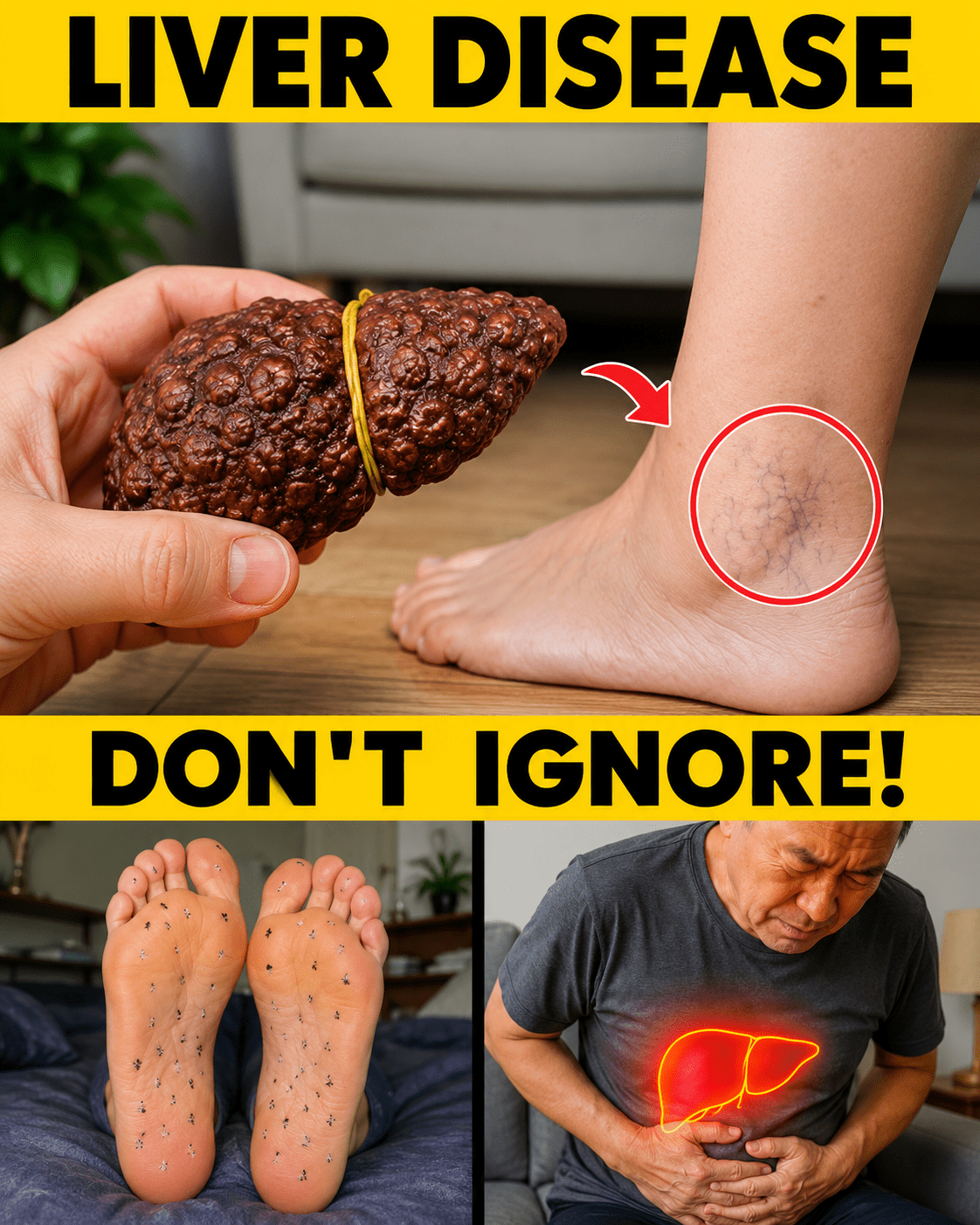
Have you ever noticed subtle changes in your feet and wondered if they mean something more? Many people overlook swelling, unusual marks, or persistent discomfort in their lower extremities, brushing them off as normal signs of aging or a long day on their feet. Yet these changes can sometimes reflect how well your body is managing essential functions like filtering toxins and balancing fluids. The good news is that paying closer attention to these signals can empower you to take simple, supportive steps for your overall wellness.

In this guide, we’ll explore the fascinating connection between your feet and liver health in straightforward terms. You’ll discover common observations people report, why they might occur, and practical habits you can adopt right away. Stick around until the end for an unexpected insight that could change how you view everyday foot care.
Understanding the Liver-Foot Connection
Your liver works quietly behind the scenes as one of the body’s hardest-working organs. It processes nutrients, removes waste, and helps regulate fluid balance. When its function faces challenges, effects can show up in distant areas like your feet and ankles due to changes in circulation, protein levels, and hormone processing.
Research has noted that certain visible or physical changes in the lower body often appear alongside broader health considerations. Studies shared by organizations like the Mayo Clinic highlight how fluid retention and vascular shifts can become noticeable first in the legs and feet.
But that’s not the full picture. Let’s break down the specific signs worth noticing.
Common Foot Changes Linked to Liver Function
Swelling in the Feet and Ankles
One of the most frequently discussed observations is swelling, also known as peripheral edema. This happens when fluid builds up in the tissues, often starting around the ankles and moving into the feet.
- It may feel tight or leave an indentation when you press on the skin.
- Swelling tends to worsen later in the day or after periods of standing.
- Many people first notice it when shoes feel tighter than usual.
This occurs because the liver plays a key role in producing proteins that help keep fluid inside blood vessels. When production dips, fluid can leak into surrounding tissues.

