5. Preheating Problems: Rushing the Pan (or Letting It Smoke)
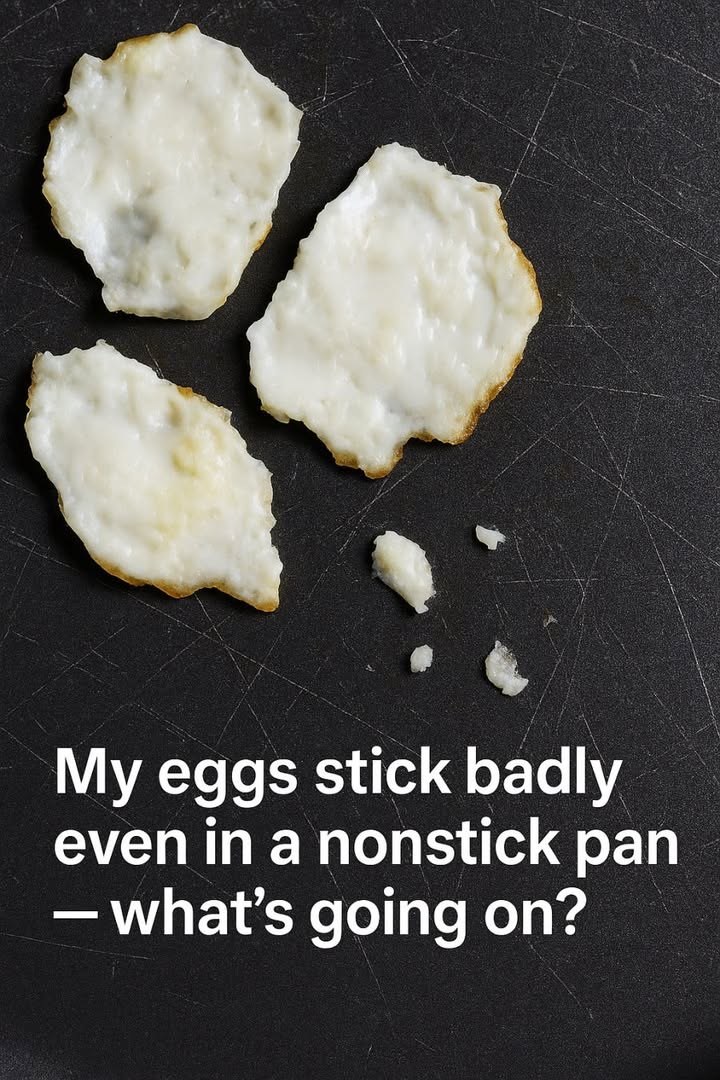
Preheating your pan properly is vital for cooking eggs successfully. If you rush this step and add eggs to an under-heated pan, they won’t cook evenly and are more likely to stick. Conversely, if you let the pan overheat and start to smoke, the nonstick coating can degrade, and the eggs will stick as well.
To preheat a nonstick pan, place it over medium heat for about 2-3 minutes. You can test the heat by sprinkling a few drops of water on the pan; if they sizzle and evaporate immediately, the pan is ready. Avoid letting the pan sit empty on high heat for extended periods.
6. Metal Utensils, Scratches, and the Slow Death of Nonstick
Using metal utensils on nonstick pans is a recipe for disaster. Scratches from metal spatulas, forks, or whisks can damage the coating, rendering it less effective over time. These scratches create grooves where food particles can get trapped, leading to sticking.
Opt for silicone, wooden, or plastic utensils when cooking with nonstick pans. These materials are gentle on the coating and help extend the life of your pan. If you notice significant scratching or peeling, it may be time to replace the pan.
7. Dishwashers, Abrasive Sponges, and Harsh Soaps Stripping the Coating
While some nonstick pans are labeled as dishwasher safe, repeated exposure to harsh detergents and high temperatures can degrade the coating. The same goes for abrasive sponges and scouring pads, which can scratch and wear down the surface.
To preserve the nonstick coating, wash pans by hand using warm water, mild dish soap, and a soft sponge. Avoid using steel wool or other abrasive cleaning tools. Gentle cleaning not only maintains the nonstick surface but also extends the life of the pan.
8. Using the Wrong Spray Oils That Buildup and Get Gummy
Cooking sprays are convenient, but they can be problematic for nonstick pans. Many sprays contain additives that can build up over time, creating a sticky residue that’s difficult to remove. This buildup can cause eggs to stick, negating the pan’s nonstick properties.
If you prefer using spray oils, choose those specifically designed for nonstick cookware and use them sparingly. Alternatively, apply a small amount of regular oil or butter with a paper towel to maintain the integrity of the pan’s surface.
9. Protein Chemistry: Cracked Yolks, Overbeaten Eggs, and Stickiness
The way you prepare your eggs can influence their tendency to stick. Overbeaten eggs incorporate more air, which can change the texture and increase the likelihood of sticking. Similarly, cracked yolks can spread out and adhere to the pan.
For best results, beat your eggs gently until just combined. If you’re cooking fried eggs, be careful when cracking them to keep the yolk intact. This minimizes the surface area that comes into contact with the pan, reducing the chance of sticking.
10. Viral TikTok Hacks: Which Tricks Help and Which Make Sticking Worse
Social media is full of cooking hacks, some of which can be more harmful than helpful. For instance, some viral tricks suggest using baking soda or salt on a nonstick surface, which can actually damage the coating. Others recommend bizarre techniques like adding water to the pan, which can interfere with proper cooking.
While some hacks can offer genuine shortcuts, it’s essential to scrutinize their impact on your cookware. Stick to tried-and-true methods, and be wary of advice that seems too good to be true.
11. When to Retire Your Nonstick Pan and What to Use Instead
Nonstick pans don’t last forever. If your pan is visibly scratched, peeling, or food sticks consistently, it’s time to replace it. Consider investing in a high-quality pan for better durability.
For those looking to switch things up, alternatives like cast iron, stainless steel, or ceramic cookware offer different benefits and can be less prone to sticking when used correctly. With proper care, these options can provide excellent cooking results without the need for nonstick coatings.
12. Smart Cooking Habits to Keep Eggs Sliding Silky-Smooth
Preventing eggs from sticking involves a combination of proper technique, suitable cookware, and regular maintenance. Always preheat your pan, use the right amount of fat, and handle your nonstick pans with care.
Adopting these habits will not only improve your egg-cooking game but also extend the life of your kitchen equipment. With a little attention to detail, you can enjoy perfectly cooked eggs every time, without the frustration of sticking.