
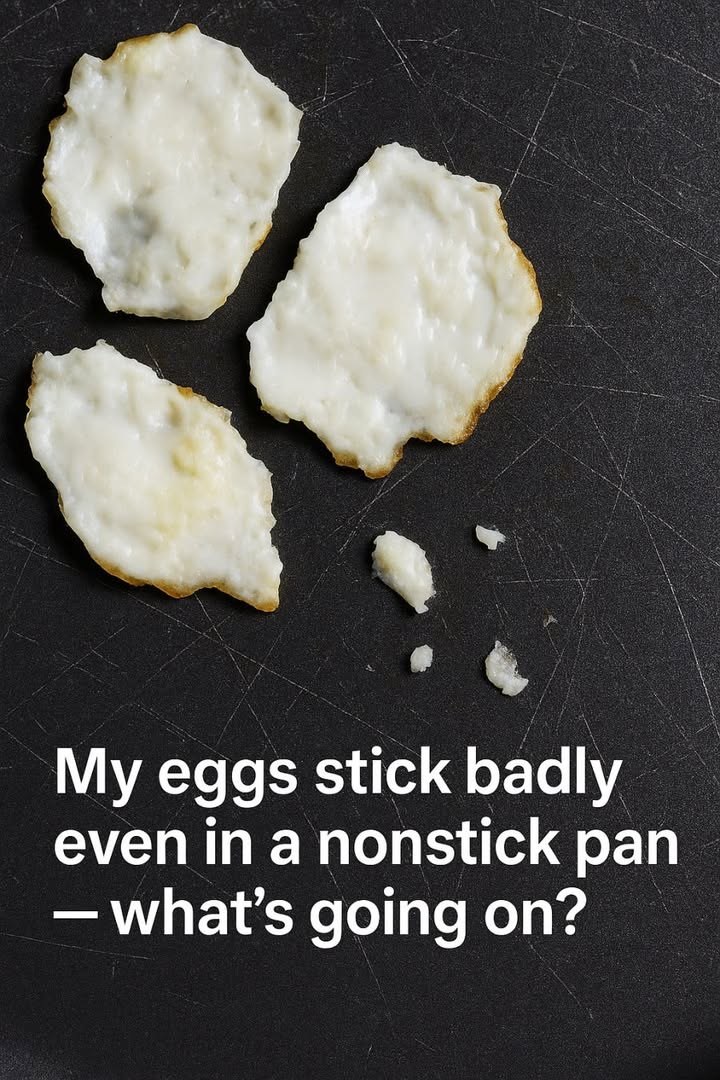
Cooking eggs should be a simple task, especially when using a nonstick pan. However, many home cooks face the frustrating problem of eggs sticking stubbornly to the pan despite its supposed nonstick properties. This can be baffling and annoying, especially when you end up with scrambled pieces instead of the perfect omelet or sunny-side-up eggs you envisioned.
So what’s going wrong? There are several factors that can cause eggs to stick, even in nonstick pans. Understanding these can help you avoid a breakfast disaster and ensure your eggs slide smoothly from the pan to the plate. In this article, we’ll explore the reasons behind this sticky issue and offer practical solutions.
1. The Science of Why Eggs Stick in the First Place
Eggs are primarily made up of proteins, fats, and water. When exposed to heat, the proteins in the eggs begin to coagulate, which is a process where they bond together and solidify. This coagulation is what allows eggs to transform from a liquid to a solid state. However, if the proteins bond with the surface of the pan instead of just with each other, you’ll experience sticking.
The nonstick coating on a pan is designed to be slick, reducing the bonding between the egg proteins and the pan surface. Yet, this delicate balance can be disrupted if the conditions aren’t ideal, leading to sticking issues. Understanding the role of temperature, fat, and the condition of your pan is crucial in preventing this from happening.
2. How Worn Nonstick Coating Turns Your Pan Into a Sticky Trap
Nonstick coatings are not invincible. Over time, they can degrade due to regular use and cleaning. Scratches, even those that are microscopic, can accumulate on the surface, providing opportunities for food to latch onto the pan. Once the coating starts to wear, its effectiveness diminishes and sticking becomes more likely.
Manufacturers typically recommend replacing nonstick pans every 3 to 5 years, depending on usage. If you notice that your pan’s surface is no longer smooth, or if food sticks regularly, it may be time for a replacement. Regular maintenance and proper use can extend the life of your nonstick pan, but eventually, all coatings will wear thin.
3. The Pan Is Too Hot (or Too Cold) When the Eggs Go In
Achieving the right temperature is critical when cooking eggs. If the pan is too hot, the eggs can cook too quickly, leading to proteins bonding with the pan surface before they bond with each other. A pan that’s too cold, on the other hand, can’t provide the immediate heat needed to initiate the cooking process effectively, causing the eggs to spread and stick.
The ideal temperature for cooking eggs on a nonstick pan is around medium-low heat, roughly 250°F to 325°F (121°C to 163°C). Preheat the pan for a few minutes before adding any fat or eggs to ensure even heat distribution.
4. Why Skipping or Skimping on Fat Makes Eggs Glue Themselves On
Fat plays a crucial role in preventing eggs from sticking. It forms a barrier between the egg and the pan, minimizing direct contact and reducing the potential for sticking. Even nonstick pans benefit from a small amount of fat, such as butter or oil.
When using a nonstick pan, it’s recommended to use about 1 teaspoon of fat per egg. This ensures that the surface is adequately coated, allowing the eggs to cook evenly and slide off easily. Choosing the right type of fat is also important; butter, olive oil, and vegetable oil are all good options.
Next Page
Pages: 1 2
