
⚠️ Who Should Be Cautious? (Rare Exceptions)
- People with advanced kidney disease (Stage 4–5): Damaged kidneys can’t remove excess potassium, leading to dangerous buildup (hyperkalemia). If you’re on a renal diet, follow your doctor’s guidance.
- Those on certain medications: Potassium-sparing diuretics (e.g., spironolactone) or ACE inhibitors may require potassium monitoring—but bananas are usually fine in moderation.
📌 Always consult your doctor if you have kidney issues—but for most seniors, bananas are safe and beneficial.
💡 Smart Ways to Enjoy Bananas After 60
- With protein/fat: Pair with almond butter, Greek yogurt, or a handful of walnuts to slow sugar absorption.
- In smoothies: Blend with spinach, berries, and milk for a nutrient boost.
- As a dessert: Freeze and blend into “nice cream” for a creamy treat.
- Choose ripeness wisely:
- Firmer bananas: Lower glycemic impact
- Spotted bananas: Higher in antioxidants and easier to digest
❤️ Final Thought from Geriatric Nutritionists
“Bananas are one of the most accessible, affordable, and nutrient-dense fruits for older adults,” says Dr. Connie Watkins, geriatric dietitian.
“For most seniors, the real risk isn’t eating a banana—it’s not getting enough potassium and fiber.”
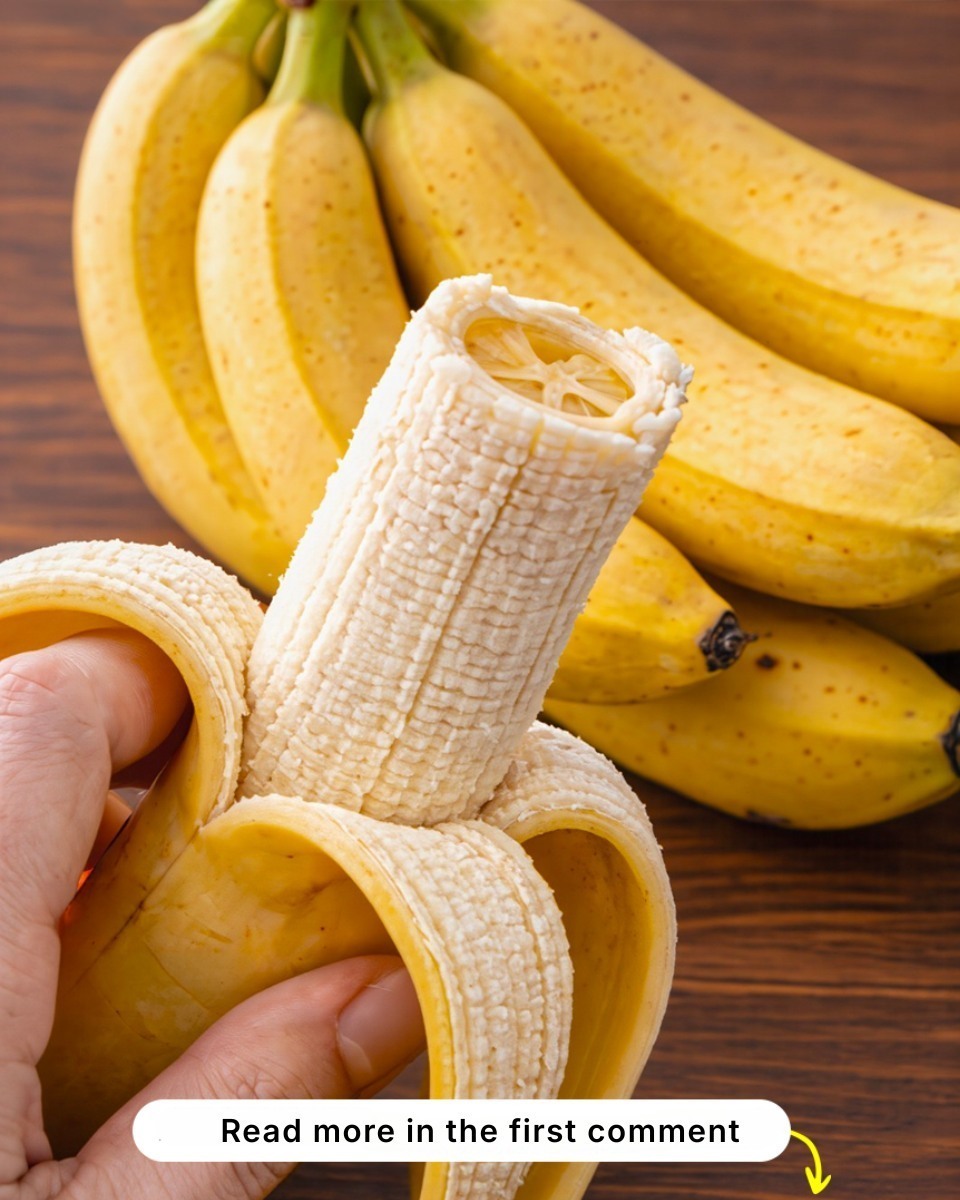
So go ahead—peel that banana. Your heart, gut, and muscles will thank you. 🍌💛
