
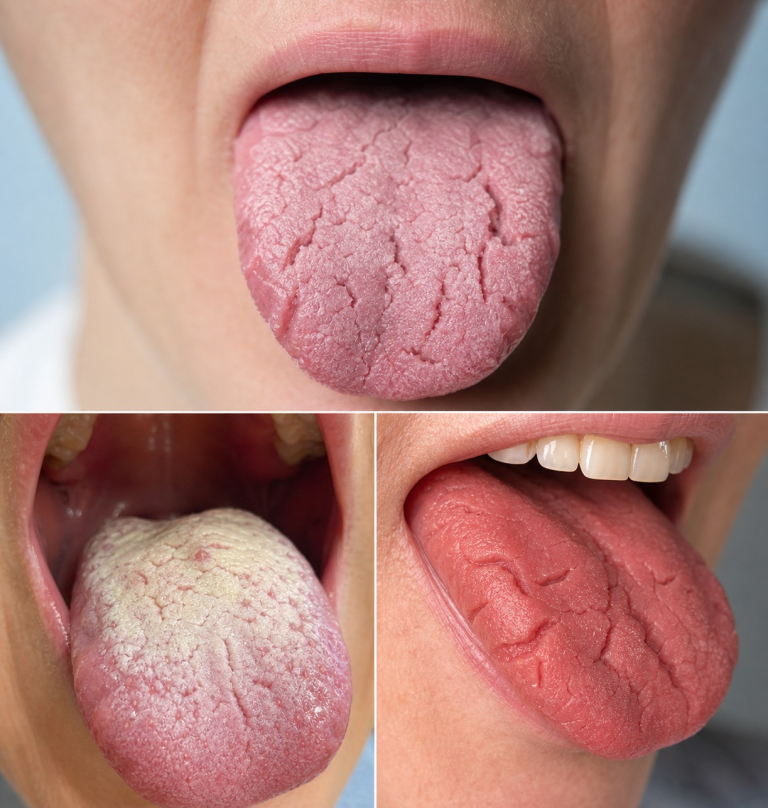
Many older Americans wake up each morning, look in the mirror, and notice something unusual. The tongue appears coated in white. It may look harmless at first, easy to dismiss as dryness or something you ate the night before. But a white tongue is often your body’s quiet way of asking for attention.
For adults over 60, paying attention to small physical changes is especially important. The tongue can reveal valuable clues about hydration, oral health, immune balance, and daily habits. While some causes are mild and easily corrected, others should not be ignored. Understanding what a white tongue means can help you protect your comfort, confidence, and overall well being.
A healthy tongue is usually pink, slightly moist, and free of thick coatings. When it turns white, patchy, or unusually coated, it often signals that something in your routine or health needs adjusting. The good news is that in many cases, simple changes can make a noticeable difference.
Let’s take a closer look at the most common reasons a white tongue appears, especially in older adults, and what you can do to address it.
Poor Oral Hygiene and Its Hidden Impact
One of the most frequent causes of a white tongue is something many people overlook. Daily oral care habits.
As we age, routines can change. Dentures, dry mouth, sensitive gums, or arthritis can make brushing and flossing more difficult. Unfortunately, when the tongue is not cleaned regularly, bacteria, food debris, and dead cells build up on its surface. Over time, this accumulation forms a visible white coating, especially toward the back of the tongue.
