
Cần thận trọng khi uống nước trong chai nhựa để lâu trong ô tô ngày nóng – Báo Quảng Ninh điện tử
The third major factor to consider when leaving a bottle in a car relates to hygiene. This is especially true if you have already opened the bottle and taken a sip.
The Impact of Backwash
When you drink from any container, a microscopic amount of organic matter from your mouth—including natural flora and food particles—transfers back into the liquid. This is entirely normal and harmless if you finish the drink relatively quickly or store it in a refrigerator.
The Car as an Incubator
However, when you introduce this opened bottle to a hot car environment, you create the perfect conditions for organic growth. Warm, stagnant water is an ideal breeding ground for microbial activity.
At room temperature, the growth rate of everyday bacteria is relatively slow. But when the temperature inside the vehicle climbs into the 90s or 100s, the container acts like an incubator. The longer the opened bottle sits in the warm environment, the more time the microscopic flora has to multiply.
Signs of Compromised Water
While you might not always be able to see the changes, there are signs that an opened bottle left in a car is no longer ideal for consumption:
Cloudiness: If the water looks murky or less transparent than usual.
Odor: A stale, musty, or unusual smell when you open the cap.
Slippery Texture: If the inside of the bottle feels unusually slippery or slimy, this is a clear sign of biofilm formation.
For optimal hygiene, it is always best to discard any previously opened water that has been sitting in a warm vehicle for an extended period. It is always better to start with fresh hydration.
The Environmental Perspective: Reusing Single-Use Plastics
Many well-meaning individuals leave bottles in their cars with the intention of refilling and reusing them to reduce waste. While reducing waste is a commendable goal, single-use PET containers are not designed for repeated, long-term use.
The Wear and Tear of Reusability
Single-use plastics are thin and prone to crinkling, scratching, and bending. Every time the plastic creases or scratches, it creates microscopic ridges on the inside of the container. These tiny imperfections are incredibly difficult to clean properly, even with thorough washing, making them ideal hiding spots for unwanted organic matter.
Furthermore, subjecting these thin plastics to the repeated heat of a car interior degrades their structure much faster than standard use. If you want to be environmentally friendly while keeping your hydration habits intact, investing in purpose-built reusable gear is the best path forward.
Superior Alternatives for On-the-Go Hydration
If leaving a single-use plastic container in the car is a bad idea, what are the best alternatives for people who need to stay hydrated while driving? Fortunately, the market is filled with excellent, durable options designed specifically to handle various environments safely.
1. Double-Wall Vacuum Insulated Stainless Steel
This is the gold standard for vehicle hydration. Stainless steel is incredibly durable, does not refract light to create fire hazards, and does not leach compounds into your beverage when exposed to heat.
Temperature Control: The double-wall vacuum insulation means the exterior temperature of the car has almost zero effect on the liquid inside. You can leave one of these in a hot car all day, and the water inside will remain ice-cold.
Durability: They can withstand drops, bumps, and the rough environment of daily commuting.
Hygiene: Stainless steel is non-porous, making it highly resistant to holding onto odors and very easy to clean completely.
2. High-Quality Glass with Silicone Sleeves
Glass is an inert material, meaning it will never alter the taste of your water, regardless of the temperature.
Purity of Taste: Water stored in glass always tastes exactly as it should.
Protection: Because glass is fragile, always choose a glass container that comes wrapped in a protective silicone sleeve. This sleeve not only prevents shattering if dropped but also stops sunlight from refracting through the clear liquid, eliminating the optical fire risk.
3. Heavy-Duty Reusable Plastics (Tritan)
If you prefer the lightweight nature of plastic, look for heavy-duty reusable options made from advanced materials like Tritan.
Heat Resistance: These materials are engineered to withstand higher temperatures and are often dishwasher safe, meaning they will not degrade simply by sitting in a warm cup holder.
Longevity: They are thick, resistant to scratching, and designed for years of use, making them a much better choice for the environment and your daily routine.
Best Practices for Vehicle Hydration
To summarize the best ways to manage your drinks while driving or running errands, follow these core principles:
Never leave clear, single-use plastics in direct sunlight. If you have unopened bottles in your car, keep them shaded under seats or in the trunk to prevent the magnifying glass effect.
Avoid drinking warm water from degraded containers. If a bottle has been sitting in a baking car for days, the taste and quality will have deteriorated. It is best to recycle the plastic and get a fresh drink.
Toss opened water left in the heat. If you have taken a sip and left the bottle in a warm car, do not drink it later. The heat acts as an incubator for whatever was transferred from your mouth.
Invest in insulated steel. The easiest way to bypass all these issues is to use a high-quality stainless steel thermos. It keeps your drink cold, removes the fire risk, and preserves the clean taste of your water.
Clean your reusable gear regularly. Even the best stainless steel options need to be washed daily with warm, soapy water to maintain perfect hygiene.
Conclusion
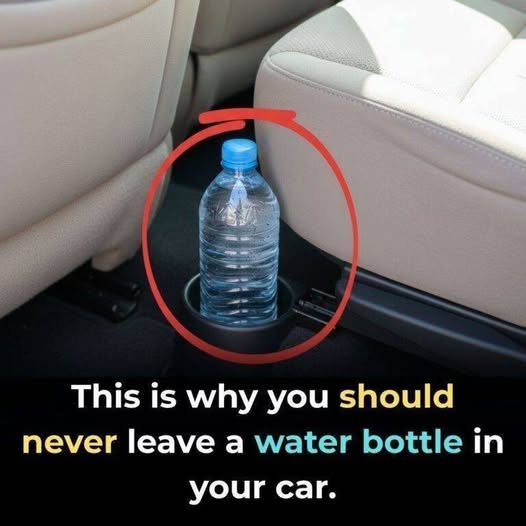
The image of a water bottle sitting innocently in a car cup holder is common, but it represents a habit that is worth breaking. The combination of intense sunlight acting through a liquid lens, the thermal impact on lightweight packaging, and the rapid degradation of water quality all point to one conclusion: your vehicle is not a safe storage locker for single-use hydration.
By understanding the physical and material science at play, you can make smarter choices about how you carry your beverages. Switching to durable, insulated, and opaque containers not only protects your vehicle’s interior from freak accidents but also ensures that every sip you take is as fresh, clean, and refreshing as it was meant to be. Stay hydrated, stay safe, and keep those clear plastics out of the sun.
Next »
