
The Evolution of Kitchen Scissors
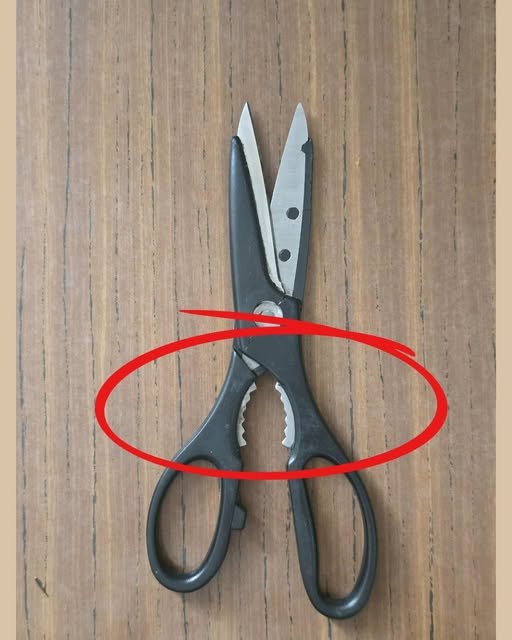
Historically, kitchen scissors were primarily designed for cutting. The simple shears found in many homes were basic tools intended for one thing: to cut various materials, whether it was food packaging, herbs, or even meats. Over time, as consumer demand for space-saving, multi-functional tools grew, kitchen scissors began to evolve. The inclusion of the toothed section is part of this broader trend.
Cultural Shift Toward Multipurpose Tools
In modern kitchens, especially those in apartments or smaller homes, having multiple tools to handle specific tasks is not always feasible. As a result, multipurpose tools like kitchen scissors that combine cutting, gripping, and opening abilities have become indispensable in many households. This shift mirrors broader cultural trends where functionality and efficiency take precedence over owning specialized, single-use items.
Tips, Insights, and Takeaways
Now that we’ve explored the significance and historical context of the toothed section on kitchen scissors, here are some practical tips and insights on how to get the most out of this handy feature.
1. Use the Gripper for Jar and Bottle Opening
One of the most common tasks that can be simplified by the toothed section is opening tight or vacuum-sealed jars. Here’s how to do it:
Close the scissors until the toothed part just touches.
Place the jar lid in the gripper’s jagged section.
With one hand holding the scissors, twist the jar with the other hand.
The ridged surface provides extra traction, making it easier to unscrew even the most stubborn lids without straining your wrists. This method works great for small bottle caps too—like those found on cooking oils, sauces, or soda bottles.
2. Crack Nuts Without the Nutcracker
Don’t have a nutcracker on hand? No problem! For softer nuts like walnuts or hazelnuts, you can use the toothed section of your kitchen scissors. Simply place the nut in the gripped area and squeeze slowly until the shell cracks. Be sure to apply even, controlled pressure to avoid crushing the nut inside.
3. Cut Through Small Bones and Poultry
Heavy-duty kitchen shears equipped with a toothed section can also be used to cut through small poultry bones. This is especially helpful when breaking down chicken wings or thighs. Use the gripper to secure the bone in place, applying steady pressure to snap the bone without the scissors slipping.
4. Other Unexpected Uses
Beyond jars and nuts, there are many other practical applications for this versatile feature:
Gripping slippery plastic caps on vacuum-sealed juice bottles.
Cracking open crab legs or lobster shells.
Removing synthetic corks from bottles.
Cutting through twist ties or plastic seals.
Essentially, if you’re dealing with anything that’s difficult to grip or twist, the toothed section can provide a secure, controlled way to handle it.
Maximizing the Value of Multi-Function Kitchen Tools
As kitchen tools continue to evolve, the importance of maximizing the utility of every item becomes more critical. The toothed section on kitchen scissors is a perfect example of how manufacturers are responding to consumers’ desires for tools that do more with less. It’s a space-saver and a time-saver, consolidating several tasks into one tool. But its versatility extends beyond the obvious uses, making it a must-have in any well-equipped kitchen.
