
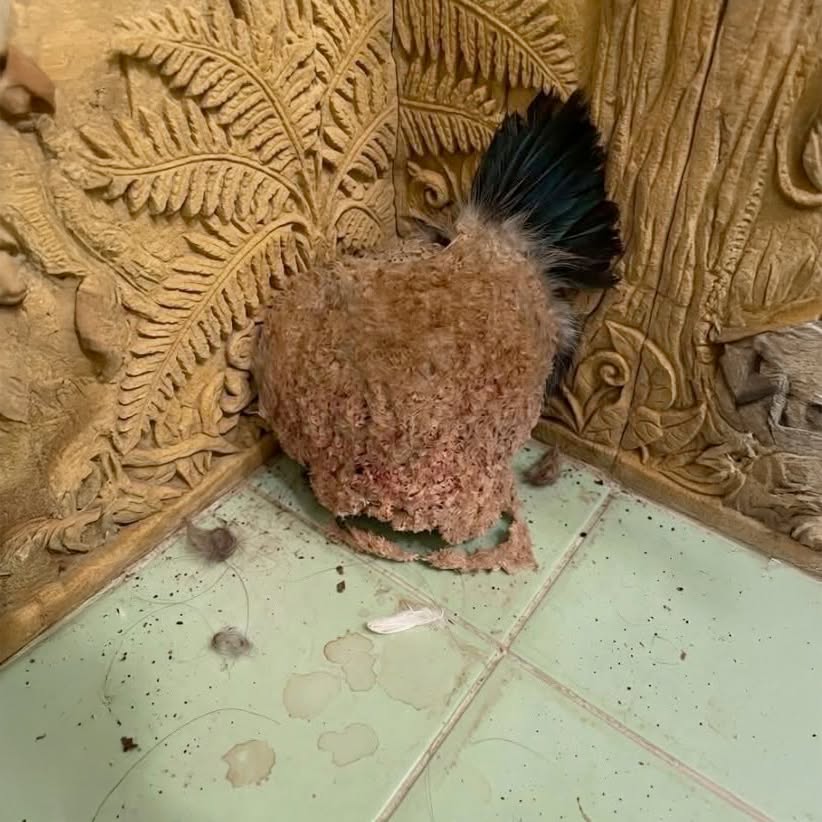
Disturbing or destroying bird nests in your garden can result in severe penalties. Here are the rules to follow.
Swallows are returning to our gardens
With the arrival of spring , swallows make their grand return, leaving the mild skies of Africa to nest in France. The first signs of their presence appear as early as mid-March, and their numbers increase considerably in April. However, over the years, the number of these migratory birds has declined alarmingly.
In France, two species of swallow predominate: the barn swallow and the house martin. Since 2001, the number of individuals of both species has declined significantly. According to the Pan-European Common Bird Monitoring Scheme, the barn swallow population has fallen by 28%, while the house martin population has decreased by 25%. This worrying trend is also reflected at the European level, where it is estimated that 40% of these birds have disappeared .
Bird nests in gardens are protected by law in France
What are the causes behind this declining biodiversity ? A lack of food for these birds, due to the decrease in flying insects in our landscapes. Indeed, the use of pesticides in conventional agriculture deprives insectivorous birds of their primary food source. While pesticide use is subject to strict regulations within the European Union, the measures are less stringent in Africa, where swallows migrate to spend the winter.
Another major issue is the challenge of preserving nests for these migratory birds. Many nest destructions are associated with renovation, facade cleaning, or insulation work on houses in France. Swallows are thus displaced from their preferred nesting sites, such as the ceilings of old barns or roof overhangs. Some homeowners, annoyed by the droppings that stain their facades, often take drastic measures, using high-pressure cleaners to dislodge swallow nests .

Severe penalties for destroying bird nests in gardens
This practice is, however, prohibited under Article L411-1 of the Environmental Code. The intentional destruction of nests of protected species, such as swallows, constitutes a crime . This offense is punishable by law and can result in severe penalties, including up to one year of imprisonment and a fine of up to €15,000 .
In addition to the destruction of nests, the law also provides for penalties for altering or damaging bird breeding sites and resting areas. In accordance with Article 3-II of the Ministerial Decree of October 29, 2009, these offenses can again be punished by a fine of up to €15,000 and a prison sentence of one year .
