
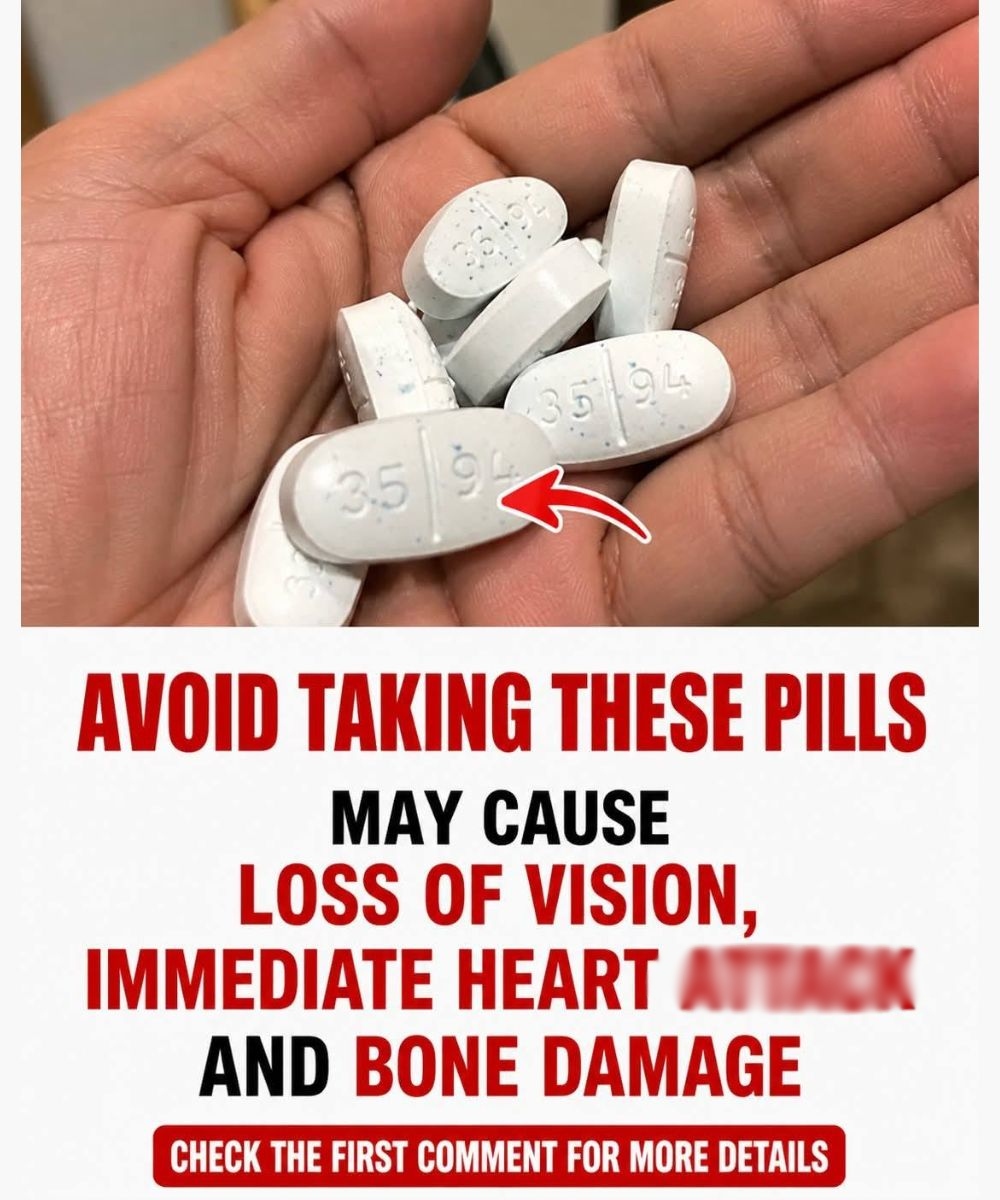
- Hormonal contraceptives, especially certain newer generations
- Some anti-inflammatory medicines
- Certain weight-loss pills or appetite suppressants
- Rare cases linked to specific COVID-19 treatments or vaccines
Regulatory agencies such as the FDA, EMA, and national health departments may issue safety war:nings, usage restrictions, recalls, or temporary suspensions when risks are identified.
The risk may be higher in people with existing health conditions or risk factors, including:
- High bl00d pressure
- Obesity
- Diabetes
- Sm0king history
- Family or genetic history of clotting disorders
Wa:rning signs that need urgent medical attention
Seek emergency care immediately if you recently took a medication and experience:
- Sudden chest pain
- Shortness of breath
- Unexplained swelling in one leg or arm
- Severe headache or vision changes
- Fast, irregular, or unusual heartbeat
Quick medical evaluation can save lives. Do not ignore these symptoms or wait for them to pass.

What should you do?
- Do not stop taking prescribed medication suddenly unless your doctor tells you to.
- Speak with your doctor or pharmacist if you are worried about a medicine you are using.
- Check official updates from your national health authority or trusted medical agencies.
- Report unusual side effects through your country’s adverse reaction reporting system.
Awareness can protect lives
Staying informed, recognizing warning symptoms, and reporting side effects early can help protect not only your own health but also the wider community. In healthcare, one timely warning can prevent serious harm.
Next Page
Pages: 1 2
