
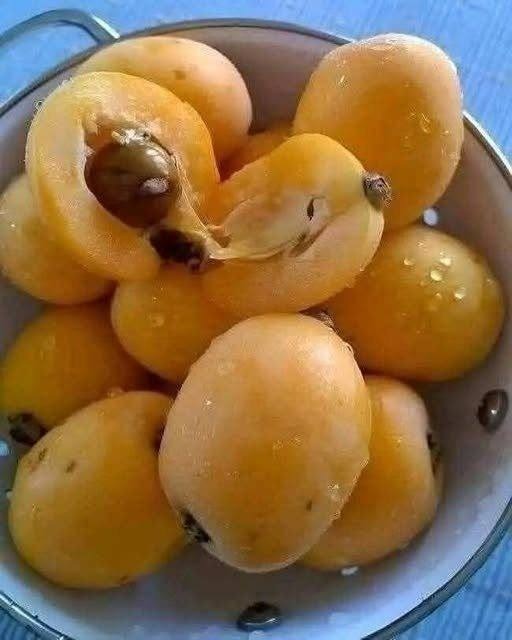
4. Simmer Slowly
Reduce the heat and simmer uncovered for 25–40 minutes. Stir occasionally to prevent sticking and skim off any foam that forms on the surface.
As the mixture thickens, the color deepens to a rich amber.
5. Test for Doneness
Place a small spoonful on a chilled plate. If it wrinkles slightly when pushed with your finger, it’s ready. If not, continue cooking for a few more minutes and test again.
6. Jar the Jam
Pour the hot jam into sterilized jars, leaving a small space at the top. Seal tightly and allow to cool completely. For longer storage, process jars in a boiling water bath for 10 minutes.
Tips for Perfect Texture
For a smoother jam, blend lightly before jarring.
For a rustic texture, leave fruit pieces intact.
Stir frequently toward the end of cooking to prevent burning.
Traditional apricot jam should be thick yet spreadable—not stiff or rubbery.
How to Enjoy Apricot Jam
Homemade apricot jam pairs beautifully with:
Fresh bread and butter
Yogurt or oatmeal
Cheese boards
Pastries and cakes
In many European bakeries, apricot jam is brushed over fruit tarts to create a glossy finish.
Storing Your Jam
Properly sealed jars can last up to one year in a cool, dark place. Once opened, refrigerate and use within a few weeks.
Final Thoughts
Making traditional apricot jam is more than a recipe—it’s a ritual. The slow simmering, the sweet aroma filling the kitchen, and the satisfaction of sealing a jar of sunshine make it a deeply rewarding experience.
With just fruit, sugar, and patience, you can preserve the taste of summer and enjoy it all year long—one golden spoonful at a time.
