
Fructose, a key component in soda, is metabolized in the liver. Excessive consumption can lead to fat accumulation, contributing to non-alcoholic fatty liver disease (NAFLD). Over time, this condition can progress to severe liver complications, emphasizing the importance of limiting sugary beverage intake.
Read More: Fatty Liver: Causes, Symptoms, Treatment & Home Remedies
Dental Health Decline

Soda’s combination of acids and sugars creates an environment that promotes tooth decay. Phosphoric and carbonic acids erode enamel, while sugars feed bacteria that produce additional acids. Regular soda consumption significantly increases the risk of cavities and dental infections.
Cardiovascular Risks

Long-term soda consumption is linked to increased blood pressure, higher LDL cholesterol levels, and greater risk of heart disease. Studies suggest that drinking just one soda per day raises the likelihood of heart attack or death from cardiovascular causes by 20%.
Bone-Friendly Alternatives

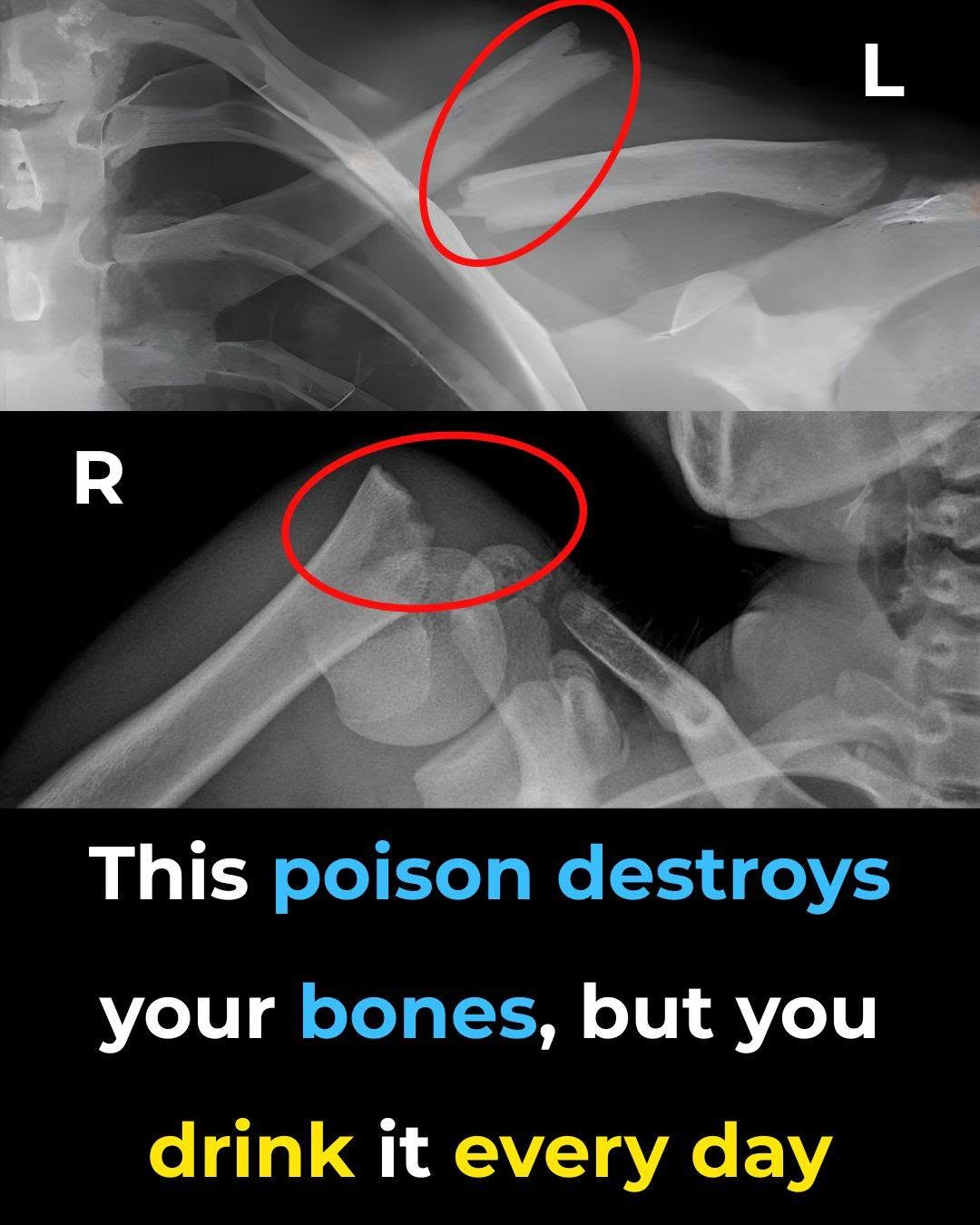
Replacing soda with calcium-rich beverages like milk or fortified plant-based drinks can support bone health, especially for children and adolescents. Carbonated mineral waters, particularly those high in calcium, are excellent soda substitutes that offer hydration without the adverse health effects.
A Chance of Gout

Sugary beverages are associated with increased uric acid levels, a major risk factor for gout. Fructose in soda contributes directly to uric acid production, and regular consumption raises the risk of gout significantly—up to 75% in women and nearly 50% in men.
Something Else to Drink?
While soda might seem like an innocent indulgence, its long-term effects on health are far-reaching. From weight gain and diabetes to weakened bones and heart issues, soda offers little beyond its immediate sugary taste. Replacing it with healthier alternatives like water, herbal teas, or calcium-rich beverages can significantly improve overall health and reduce the risk of chronic diseases.
