
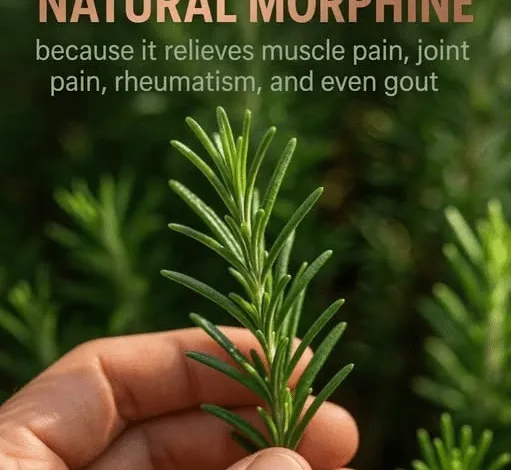
Some people also enjoy using diluted rosemary oil in massage blends after long workdays or diffusing the scent throughout the home to freshen the air naturally. While rosemary has been traditionally associated with benefits related to circulation, memory, and relaxation, it is important to remember that it is not a cure or replacement for professional medical care. Serious health concerns should always be discussed with a qualified healthcare provider.
One of the most overlooked benefits of rosemary may simply be the experience of caring for it. Unlike fragile decorative plants, rosemary is hardy and forgiving. Watching it grow slowly over time encourages patience and presence. In a culture obsessed with speed and productivity, even watering a small herb plant can become an act of mindfulness.
What makes rosemary special is not just its history or fragrance. It is the reminder that wellness is often built through small, consistent habits rather than dramatic transformations. A quiet cup of tea. A home-cooked meal. A few minutes spent breathing deeply beside a sunny kitchen window.
Sometimes the most meaningful forms of self-care are also the simplest.
Rosemary has survived for generations because it offers more than flavor. It offers ritual, comfort, and a connection to slower ways of living that many people are desperately trying to rediscover. In that sense, the ancient wisdom surrounding this humble herb may not be about perfection or instant transformation at all. It may simply be about remembering how to feel grounded again.
