
Heart disease remains one of the leading causes of death in the United States, responsible for hundreds of thousands of deaths each year. While heart attacks can seem sudden, some people may experience subtle warning signs in the weeks or months beforehand.
It is important to understand that these symptoms are not specific to heart disease and can have many harmless causes. However, if they are new, persistent, or unexplained—especially in people with risk factors—they should be evaluated by a healthcare professional.
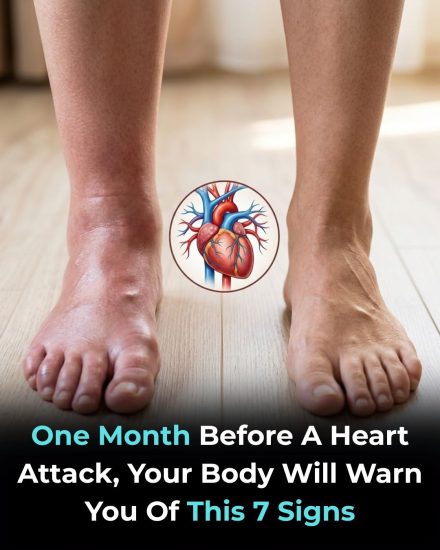
1. Swelling in the Lower Legs or Feet
Fluid buildup (edema) in the feet, ankles, or legs may indicate that the heart is not pumping efficiently, causing fluid to accumulate in the lower body.
Pay attention if:
- Swelling worsens throughout the day
- Shoes or socks leave deep marks
- Pressing the skin leaves a lasting indentation
Occasional swelling after long standing is normal, but persistent or worsening swelling should be checked.
2. Shortness of Breath
Breathlessness during mild activity—or even at rest—may suggest the heart is not delivering enough oxygen or that fluid is accumulating in the lungs.
Watch for:
- Waking up at night feeling short of breath
- Needing extra pillows to sleep comfortably
- Symptoms worsening when lying flat
3. Unusual or Persistent Fatigue
Extreme tiredness that does not improve with rest may be a sign that the heart is struggling to circulate oxygen-rich blood efficiently.
Unlike normal fatigue:
- It persists despite adequate sleep
- Everyday tasks feel unusually exhausting
- There is no clear explanation such as stress or illness
4. Dizziness or Lightheadedness
Reduced blood flow can cause dizziness, unsteadiness, or near-fainting episodes, especially during physical activity or when standing quickly.
Seek medical attention if:
- Episodes occur repeatedly
- Dizziness comes with chest discomfort or palpitations
- You actually faint
5. Sleep Disturbances
Heart-related issues may cause breathing difficulties when lying down or sudden nighttime awakenings with shortness of breath.
Other possible signs:
- Needing to sleep propped up
- Frequent nighttime urination
6. Cognitive Changes
Reduced blood flow may affect brain function, leading to:
- Difficulty concentrating
- Memory problems
- Mental “fog”
While these symptoms are often linked to stress or aging, persistent changes alongside other symptoms should not be ignored.
7. Atypical Chest Discomfort
Not all heart-related symptoms involve severe chest pain. Some people experience:
- Pressure, tightness, or fullness in the chest
- Discomfort spreading to the jaw, neck, shoulders, or back
- Symptoms resembling indigestion or muscle strain
These sensations may come and go over days or weeks.
Why These Symptoms Occur
In many cases, coronary arteries gradually narrow due to plaque buildup, reducing blood flow to the heart. The heart compensates by working harder, but over time this strain can produce warning signs.
Symptoms vary widely:
- Women more often experience fatigue, nausea, and shortness of breath
- Older adults may have less obvious symptoms
- Some heart attacks occur with little or no warning
Who Is at Higher Risk?
You should be especially alert if you have:
- High blood pressure or cholesterol
- Diabetes
- Smoking history
- Family history of heart disease
- Obesity or inactivity
- Chronic kidney disease
What You Should Do
If you notice persistent or unexplained symptoms:
- Do not panic, but do not ignore them
- Consult a healthcare professional promptly
- Describe symptoms clearly (timing, frequency, triggers)
- Ask whether tests like ECG, blood work, or stress testing are needed
- Track symptoms in a journal
Healthy Heart Habits
- Exercise regularly (about 150 minutes per week)
- Eat a balanced diet rich in vegetables, fruits, and healthy fats
- Manage blood pressure and cholesterol
- Avoid smoking
- Reduce stress
- Get 7–9 hours of sleep
Important Reminder
Most symptoms listed here have non-cardiac causes. However, heart disease can develop silently, so awareness is important.
If you experience sudden chest pain, severe shortness of breath, or signs of a heart attack, seek emergency medical help immediately.
