
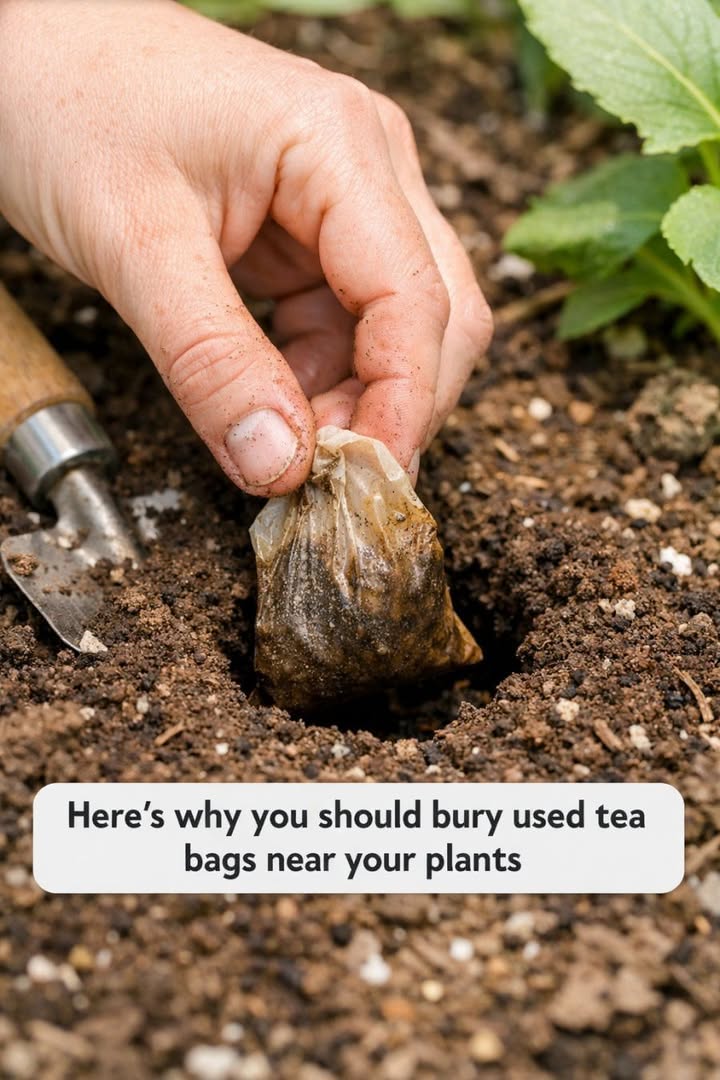
9. The Right Way To Bury Tea Bags So They Break Down Properly
To ensure that tea bags break down efficiently in the soil, it’s important to bury them at the right depth. Ideally, tea bags should be buried about 6 inches deep, where they can interact with soil microbes and decompose effectively. Avoid placing them too close to the surface, as this can lead to slower breakdown and potential pest attraction.
Make sure to remove any non-biodegradable components, such as staples or synthetic strings, before burying the tea bags. These materials can interfere with the decomposition process and should be disposed of separately.
10. Tea Bag Materials to Avoid and Common Mistakes to Skip
Not all tea bags are created equal when it comes to gardening. Some tea bags are made from synthetic materials that do not decompose well in soil. Before using tea bags in the garden, check the packaging to ensure they are made from natural fibers, such as cotton, hemp, or paper.
Avoid using tea bags that contain artificial flavorings, as these can introduce unwanted chemicals into the soil. Additionally, refrain from using tea bags that have been steeped with milk or sugar, as these can attract pests and disrupt the soil ecosystem.
11. Smart Ways to Combine Tea Bags With Other Garden Scraps
Tea bags can be effectively combined with other kitchen scraps, such as coffee grounds, vegetable peels, or eggshells, to create a nutrient-rich amendment for your garden. Each of these materials offers unique benefits, and when used together, they can enhance soil fertility and structure.
For example, coffee grounds add nitrogen and can increase soil acidity, while eggshells provide calcium. By incorporating a variety of organic scraps into your garden, you can create a balanced and diverse soil amendment that supports healthy plant growth.
