
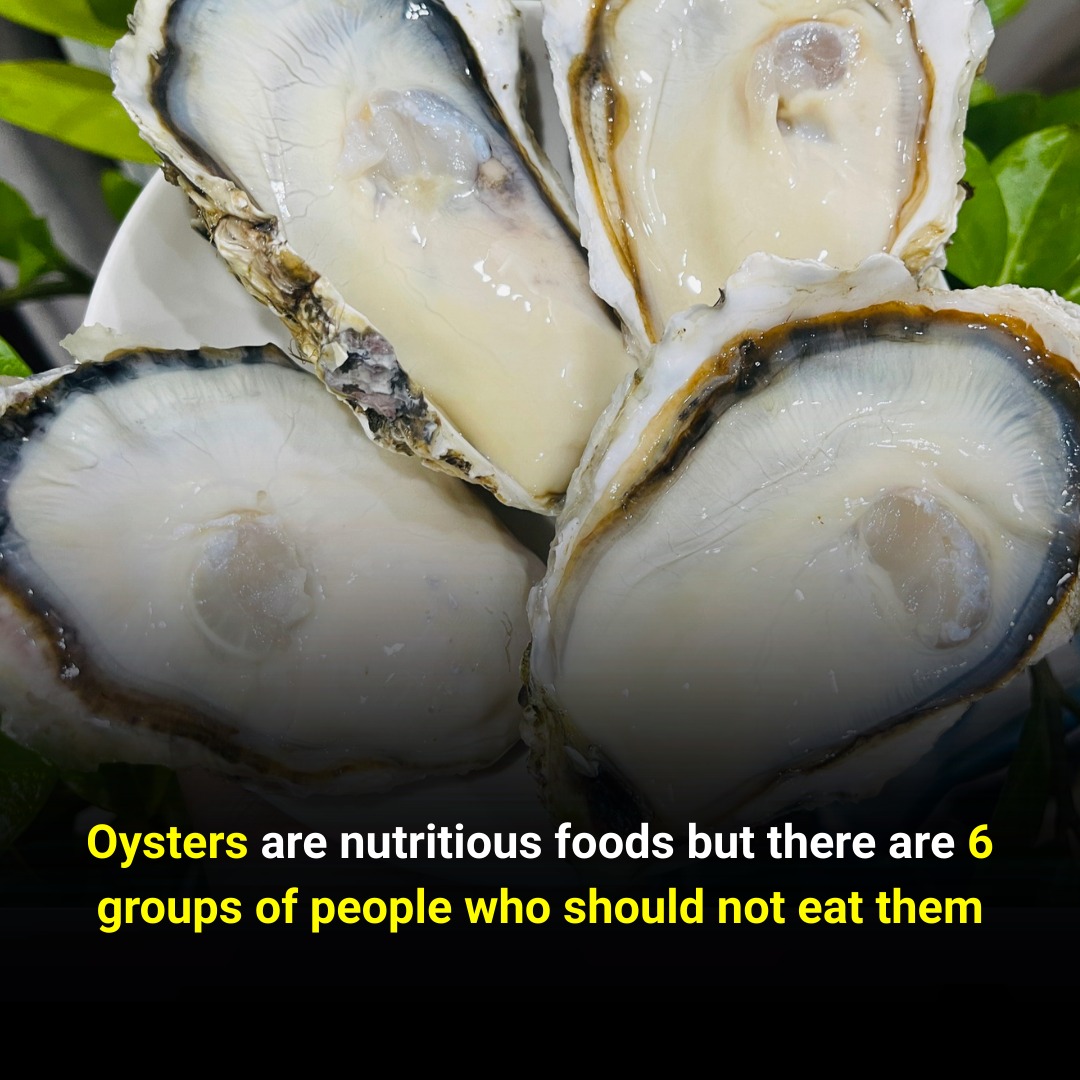
Oysters are highly nutritious shellfish, rich in protein, zinc, iron, vitamin B12, and omega-3 fatty acids. They can support immunity, heart health, and energy levels. However, they are not safe for everyone. Certain people should avoid eating oysters because of possible health risks such as infections, allergies, or worsening existing conditions.
Here are 6 groups of people who should avoid eating oysters:
1. People with Shellfish Allergies
Individuals who are allergic to shellfish should completely avoid oysters. Even a small amount can trigger symptoms such as:
-
Hives or itching
-
Swelling of the lips, tongue, or throat
-
Difficulty breathing
-
Severe reactions like Anaphylaxis
This can become life-threatening and requires immediate medical attention.
2. People with Weak Immune Systems
People whose immune systems are weakened—such as those with chronic illnesses or undergoing treatments like chemotherapy—are at higher risk of bacterial infections from raw or undercooked oysters.
Oysters can carry harmful bacteria like Vibrio vulnificus, which can cause severe food poisoning or bloodstream infections.
3. People with Liver Disease
Those suffering from liver problems, especially Cirrhosis, should avoid raw oysters.
The bacteria found in oysters can multiply rapidly in the body of someone with liver disease, potentially leading to serious or fatal infections.
4. Pregnant Women
During pregnancy, the immune system changes, making infections more dangerous. Raw oysters may contain bacteria, viruses, or parasites that can lead to foodborne illnesses affecting both the mother and the baby.
Health authorities recommend eating only fully cooked seafood during pregnancy.
5. People with Gout
Oysters contain relatively high levels of purines. When purines break down in the body, they produce uric acid, which can worsen Gout and trigger painful joint attacks.
People prone to gout should limit or avoid oysters and other high-purine seafood.
6. People with Sensitive Stomachs or Digestive Issues
Some people experience digestive discomfort after eating oysters, especially if they are raw. Symptoms may include:
-
Nausea
-
Diarrhea
-
Stomach cramps
This risk increases if the oysters are not fresh or properly stored.
✅ Healthy people can still enjoy oysters, especially when they are:
-
Fresh and properly sourced
-
Thoroughly cooked
-
Eaten in moderation
Cooking oysters greatly reduces the risk of harmful bacteria.
If you want, I can also explain the safest way to eat oysters and how to tell if oysters are fresh or contaminated. 🦪
