
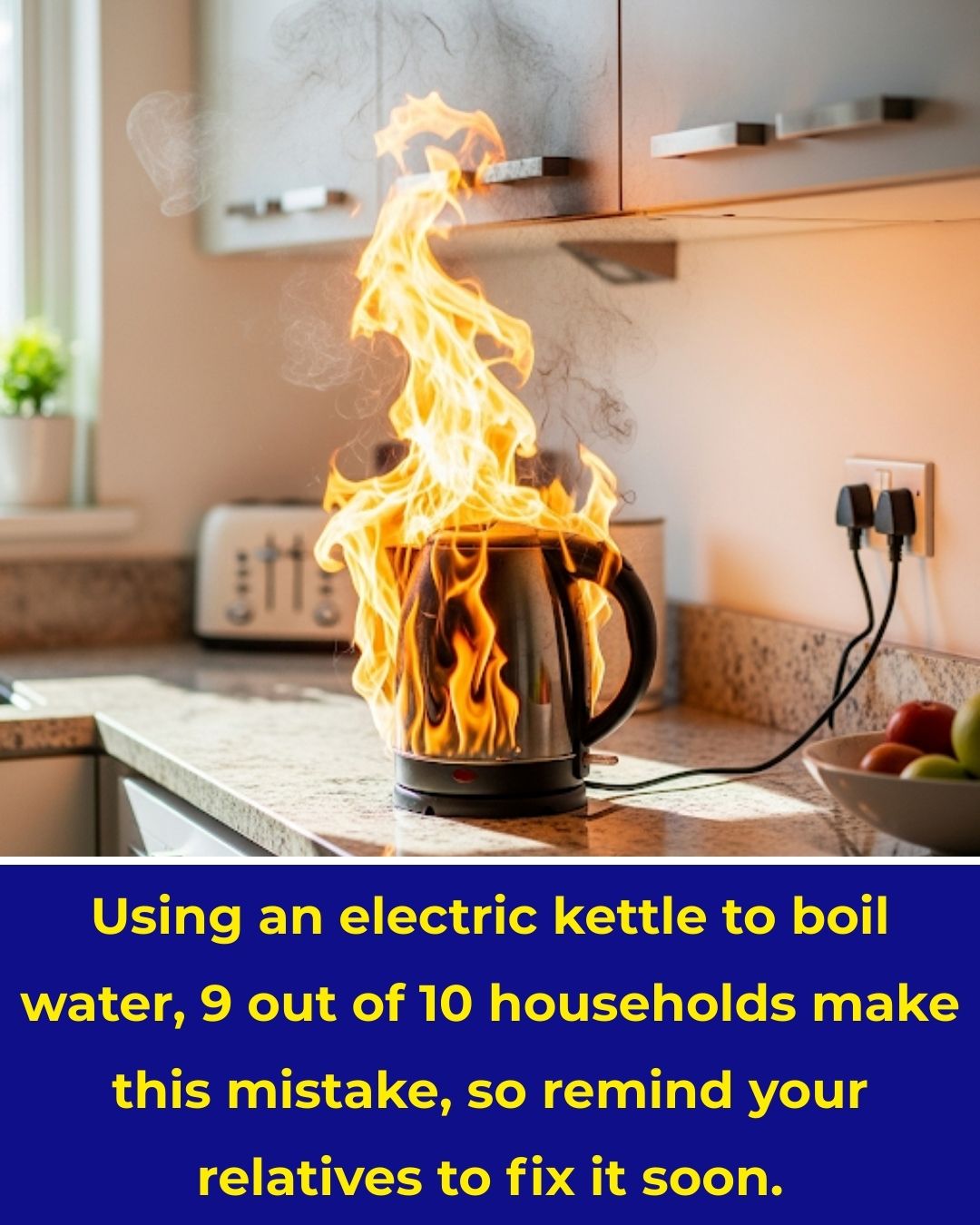
Using Electric Kettles to Boil Water: A Common Household Mistake You Should Fix Early
Electric kettles are one of the most common appliances found in homes today. They are fast, convenient, and energy-efficient. However, many households unknowingly make a simple mistake when using electric kettles—a mistake that can reduce the kettle’s lifespan, waste electricity, and even create safety risks.
The Most Common Mistake: Overfilling the Kettle
One of the biggest mistakes people make is boiling more water than they actually need. Many users fill the kettle to the maximum level every time, even when they only need one cup of hot water.
This habit causes several problems:
-
It wastes electricity because more water takes longer to heat.
-
It increases limescale buildup, especially in areas with hard water.
-
It wears out the heating element faster, shortening the kettle’s life.
-
It can increase the risk of spills or steam burns if the kettle is moved while full.
Another Common Issue: Letting Water Sit Inside the Kettle
Leaving water in the kettle after use is another frequent mistake. Over time, this leads to mineral deposits forming inside the kettle, which can affect taste, efficiency, and heating speed.
Safety Mistakes to Avoid
Some households also overlook basic safety rules, such as:
-
Plugging the kettle into an overloaded power strip
-
Using the kettle with a damaged cord
-
Placing the kettle too close to the edge of the counter
-
Turning it on without enough water inside
These mistakes may seem small, but they can cause electrical problems or accidents.
