
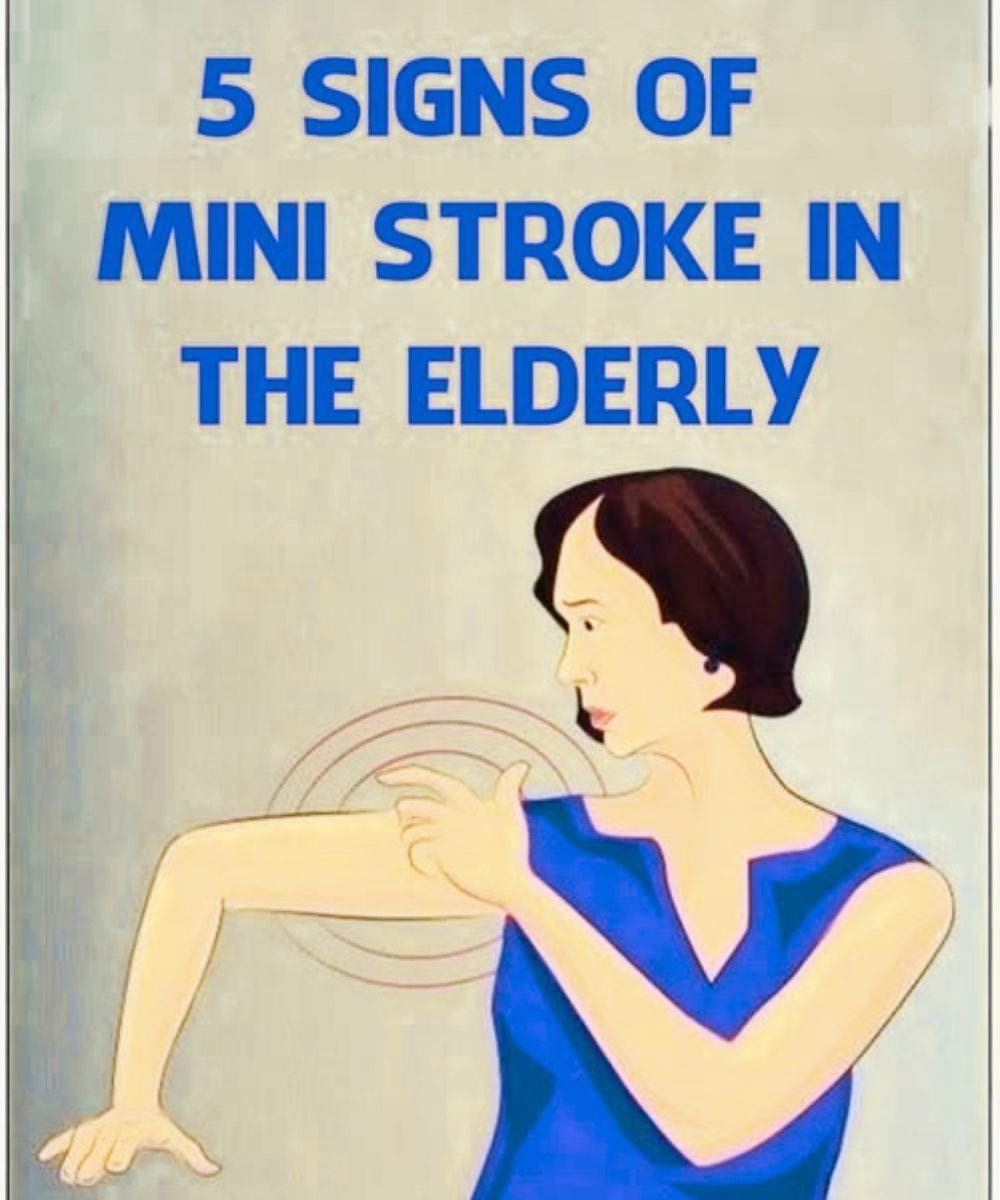
Turning 40 is more than just a milestone birthday — it’s often a wake-up call.
Energy slows. Metabolism shifts. And for the first time, many start thinking seriously about long-term health.
Among the most critical concerns?
 Brain and heart health.
One condition that often flies under the radar — but can be a life-saving warning — is the mini stroke, medically known as a transient ischemic attack (TIA).
While it doesn’t cause permanent brain damage, a TIA is not “just a scare.”
It’s a major red flag that a full-blown stroke could be just around the corner.
And for people over 40, the risk rises sharply — especially if lifestyle or health conditions go unchecked.
Let’s break down what a mini stroke is, why it’s so dangerous, and what you can do to protect yourself.
 What Is a Mini Stroke (TIA)?
A transient ischemic attack (TIA) is a temporary blockage of blood flow to the brain, usually caused by:
- A small blood clot
- Narrowed or damaged arteries
- Plaque buildup (atherosclerosis)
The symptoms mimic those of a full stroke — but they resolve within minutes to a few hours, and no permanent brain damage occurs.
But don’t let the “temporary” part fool you.
A TIA is your brain’s way of saying:
“I came close. Next time, I might not make it.”
 Why a TIA Is a Medical Emergency
Even though symptoms go away, a TIA is a medical emergency.
- 1 in 3 people who experience a TIA will go on to have a full stroke — and half of those happen within 48 hours to 3 months.
- A stroke can lead to paralysis, speech loss, memory damage, or death.
Think of a TIA as a warning system — the brain’s version of a fire alarm.
Ignoring it could be deadly.
 Common Symptoms of a Mini Stroke
TIA symptoms appear suddenly and may last just a few minutes — but they should never be ignored.
Use the F.A.S.T. acronym to recognize them:
| F | Face drooping | One side of the face may droop or feel numb | | A | Arm weakness | Can’t raise one arm, or it drifts downward | | S | Speech difficulty | Slurred speech, trouble speaking or understanding | | T | Time to call 911 | Even if symptoms disappear — call immediately |
 Other possible signs:
- Sudden confusion or trouble thinking
- Vision problems in one or both eyes
- Dizziness, loss of balance, or coordination
- Severe headache with no known cause
Key difference: TIA symptoms resolve completely within 24 hours (often in under an hour).
But you can’t tell a TIA apart from a stroke without medical imaging — so always seek emergency care.
 Why People Over 40 Are at Greater Risk
