
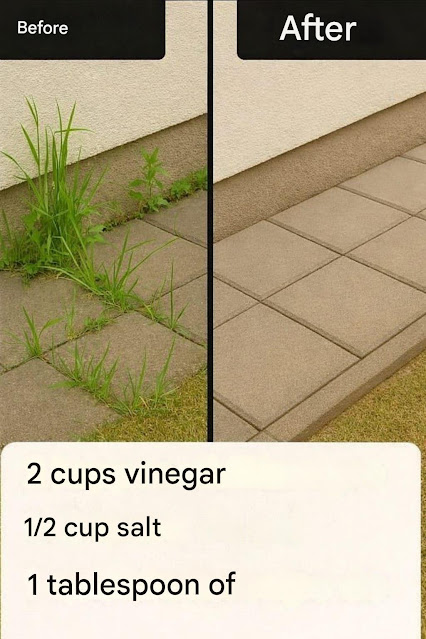
While the idea of a “natural” weed killer sounds appealing, it’s important to understand what actually works, what’s safe for your soil and pets, and what might do more harm than good. Many viral recipes (like vinegar + salt + dish soap) do kill weeds—but they also sterilize soil, harm beneficial microbes, and can poison groundwater.
Below is a responsible, science-informed approach to managing weeds without synthetic chemicals—prioritizing effectiveness and environmental stewardship.
🌿 The Truth About Common DIY Herbicides
|
Recipe
|
Does It Work?
|
Hidden Risks
|
|---|---|---|
|
Vinegar (5% acetic acid)
|
✅ Burns top growth of young weeds
|
❌ Doesn’t kill roots; regrowth in days. Stronger vinegar (20%+) is corrosive and dangerous.
|
|
Vinegar + Salt + Dish Soap
|
✅ Kills foliage fast
|
❌ Salt accumulates in soil, making it barren for years. Soap harms earthworms and soil structure.
|
|
Boiling Water
|
✅ Effective on driveway/patio weeds
|
✅ Safest option—no residue. But only works on surface weeds, not deep roots.
|
|
Cardboard/Newspaper Mulch
|
✅ Blocks light, smothers weeds
|
✅ Eco-friendly & soil-building—breaks down into organic matter.
|
🔬 Key Insight: Most homemade herbicides are contact killers—they scorch leaves but leave roots intact. Perennials (dandelions, bindweed) will return.
✅ Best Homemade Solutions (By Use Case)
1. For Patios, Driveways & Walkways (Where Soil Health Doesn’t Matter)
- Boiling Water: Pour directly on weeds.
Next PagePages: 1 2
